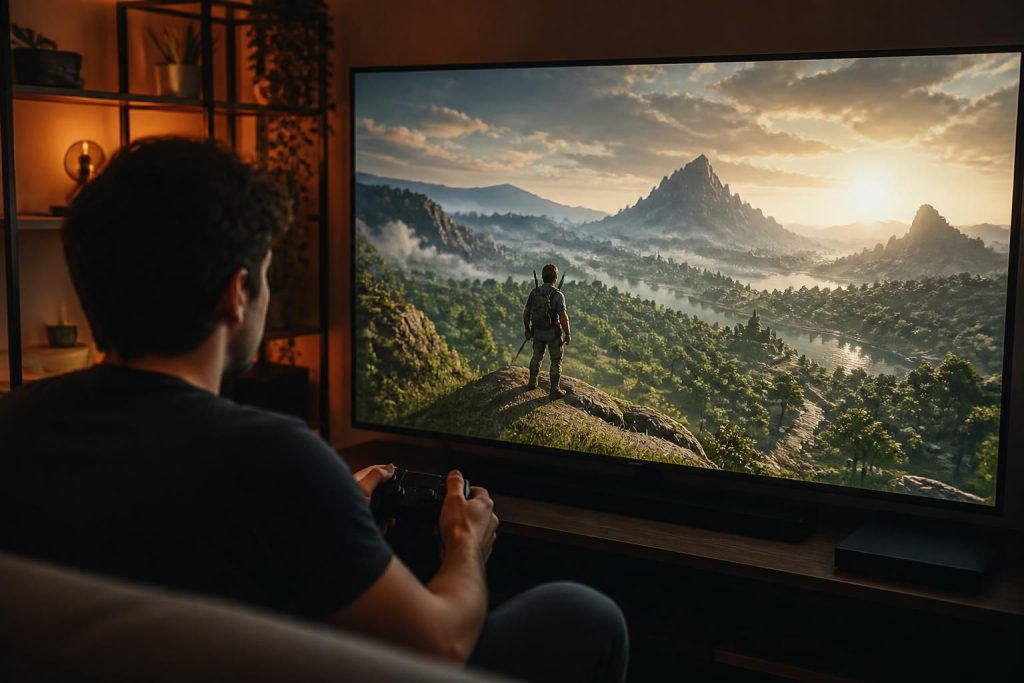
Open-world game design is rapidly evolving, transforming the way players experience and interact with digital environments. By offering expansive worlds filled with dynamic content and interactivity, developers are pushing the boundaries of storytelling, immersion, and player agency. As technology advances, the trends shaping open-world game design not only enhance gameplay but also redefine how narratives are constructed and experienced. In this article, we will explore the current trends influencing open-world design, including player-driven stories, environmental storytelling, technology integration, and community engagement.
Player-Driven Stories: The Shift Towards Agency
One of the most significant trends in open-world game design is the increasing emphasis on player agency. Players are no longer just passive participants in a pre-determined narrative; they now have the freedom to shape their own stories through their choices and actions. Games like The Witcher 3: Wild Hunt exemplify this trend, allowing players to make decisions that affect the world and its inhabitants in meaningful ways.
This shift toward player-driven narratives encourages developers to create branching storylines and multiple endings, enhancing replayability and personal investment. Players can engage with the world on their own terms, making choices that resonate with their values and preferences. As a result, many open-world titles are focusing on creating systems that react dynamically to player actions, further deepening the sense of immersion and agency.
Environmental Storytelling: Crafting Worlds with Depth
Another hallmark of modern open-world game design is environmental storytelling, where the game’s setting itself conveys narrative elements. Developers are increasingly using the environment to communicate backstory, character motivations, and world-building without relying solely on dialogue or exposition.
In titles like Red Dead Redemption 2, players discover lore through the world around them — from abandoned settlements to artifacts strewn across the landscape. Each location tells a story, inviting exploration and engagement. This method not only enriches the narrative experience but also encourages players to pay closer attention to their surroundings.
Moreover, incorporating elements such as weather effects, day-night cycles, and wildlife behaviors can enhance this storytelling technique, making the world feel alive and reactive. The interplay between the environment and player interaction creates a layered narrative that can be uncovered at the player’s pace.
Technology Integration: Enhancing the Experience
With advancements in technology, open-world game design is experiencing an unparalleled evolution. Enhanced graphics, artificial intelligence (AI), and procedural generation are some of the tools developers are using to create more immersive and expansive worlds. High-fidelity graphics allow for richly detailed environments, making the experience more engaging and believable.
Procedural generation, utilizing algorithms to create vast landscapes, enables developers to build worlds that are not only extensive but also unique to each playthrough. Games like No Man’s Sky showcase the potential of this technology, offering players a nearly limitless universe to explore. Similarly, AI can create more intelligent non-player characters (NPCs) that behave and react in complex ways, contributing to the overall immersion and realism of the game world.
Furthermore, integrating technologies such as virtual reality (VR) and augmented reality (AR) can take the open-world experience to new heights, blurring the lines between the game and reality. The future of open-world design will likely see more innovative uses of these technologies, creating ever more engaging player experiences.
Community Engagement: Building Connections through Open Worlds
Community engagement is becoming a vital aspect of open-world game design. With the rise of online gaming, developers are not only creating worlds for individual players but also for communities. Multiplayer open-world games have started to incorporate social features that allow players to interact, collaborate, and share experiences.
Games like GTA Online and Sea of Thieves emphasize community interaction, where players can team up to complete missions, create content, and even influence game events. This communal aspect fosters a sense of belonging and shared experiences, enhancing the overall enjoyment of the game.
Moreover, user-generated content is gaining traction, with platforms allowing players to create and share custom missions, modes, and even entire worlds. This trend not only extends the life of games but also encourages players to invest more deeply in their virtual worlds.
The inclusion of community-driven events and updates can keep the game environment fresh, providing ongoing incentive for players to return. For instance, developers can host seasonal events or collaborative challenges that engage the player base and encourage social interaction.
Future Directions: What Lies Ahead for Open-World Design?
As we look to the future of open-world game design, several key trends are likely to emerge and shape the landscape. The integration of artificial intelligence will play a crucial role in creating more responsive and dynamic environments. Improved AI algorithms can lead to NPCs that learn from player behavior, creating richer interactions and more believable worlds.
Additionally, the ongoing conversation around sustainability and ethical practices in game development may influence the design of open worlds. Developers could focus on creating worlds that promote positive behaviors, such as cooperation and environmental awareness, reflecting societal values in the virtual space.
Furthermore, as gaming technologies advance, we may see a greater focus on cross-platform play and accessibility, ensuring that open-world experiences are available to a broader audience. This inclusivity will be essential in shaping future games and fostering diverse communities around them.
In conclusion, open-world game design is at the forefront of redefining how players interact with virtual environments. By focusing on player agency, environmental storytelling, technological advancements, and community engagement, developers are creating immersive experiences that resonate with players on multiple levels. As these trends continue to evolve, they promise to shape the future of gaming, ensuring that open worlds remain vibrant, engaging, and reflective of the players who inhabit them. For those interested in exploring diverse gaming experiences, resources such as เว็บสล็อต can offer additional insights and explorations into the gaming landscape.